Why are Eco-Friendly and Low-VOC Paints Becoming a Homeowner Priority?
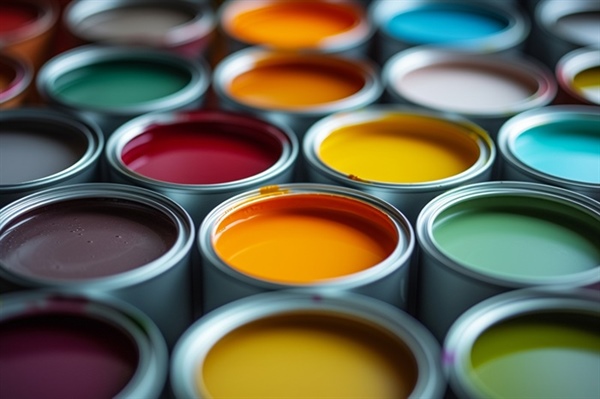
Across Minneapolis and beyond, homeowners are shifting toward eco-friendly and low-VOC paints for healthier, more sustainable homes. Unlike traditional paints that release harsh fumes and chemicals, these modern alternatives provide cleaner air, fewer environmental hazards, and long-term benefits for living spaces.
This change reflects a growing awareness about the materials used inside homes and their effect on health and sustainability. Revel Painting recognizes this transition as part of a broader effort to promote responsible building practices and improve the overall painting experience.
In this article, we explore why eco-friendly and low-VOC paints have become a homeowner's priority. We’ll examine the differences between sustainable paints and standard paints, their role in improving indoor air quality, the durability of sustainable options, cost considerations, and how professional painting contractors can help guide clients toward greener solutions.
Together, these subtopics explain why environmentally responsible paints are shaping the future of residential painting.
Understanding the Difference Between Standard and Low-VOC Paint
Traditional paints often contain volatile organic compounds (VOCs), which are released into the air during and after application. These compounds contribute to poor indoor air quality and may cause health issues such as headaches, dizziness, or respiratory irritation. In contrast, low-VOC paints are formulated to minimize the release of these gases while maintaining high performance and coverage. By reducing harmful emissions, they create a safer environment for families, pets, and workers.
Low-VOC paints use water-based solvents and advanced resins that provide similar or even better adhesion compared to older oil-based paints. They are engineered for smooth application and quick drying, making them both practical and eco-conscious. In addition to environmental benefits, they help reduce lingering odors that often accompany standard paints, allowing freshly painted spaces to be reoccupied sooner without discomfort.
For homeowners seeking both safety and quality, low-VOC formulations are now standard choices in modern residential painting projects. These products achieve excellent color retention, durability, and washability without compromising health or environmental goals.
How Eco-Friendly Paints Improve Indoor Air Quality
Eco-friendly paints significantly enhance indoor air quality by eliminating or reducing harmful substances released during the curing process. VOCs, formaldehyde, and other chemical additives commonly found in standard paints contribute to indoor pollution. In sealed environments, these emissions can linger for weeks, increasing the concentration of airborne irritants. Low-VOC and zero-VOC paints address this by using alternative binders, pigments, and solvents that emit minimal fumes and fewer toxins.
Over time, poor indoor air quality has been linked to chronic health effects and reduced comfort. Studies by environmental health agencies confirm that the cumulative impact of VOC exposure contributes to respiratory inflammation and fatigue. Eco-friendly paints minimize these risks and help maintain safer air levels, which is particularly important in energy-efficient homes where ventilation can be limited.
Beyond health benefits, eco-friendly paints contribute to environmental sustainability. Their manufacturing processes often follow stricter environmental guidelines, producing fewer greenhouse gas emissions and waste by-products. As public awareness grows, low-VOC paints represent not only a health-conscious decision but also a commitment to responsible home improvement practices.
Durability and Performance of Sustainable Paints
There is a persistent belief that environmentally friendly paints may not perform as well as conventional ones. However, advancements in paint technology have disproven this assumption. Today’s low-VOC and eco-friendly paints use high-performance acrylic resins and advanced pigments that rival or surpass the durability of traditional oil-based paints. These formulations resist peeling, fading, and cracking while maintaining consistent color and texture over time.
Manufacturers have developed eco-friendly coatings to withstand both interior and exterior wear. Many offer superior UV protection, moisture resistance, and washability, ensuring long-lasting coverage even in high-traffic areas. Proper surface preparation remains crucial, but once applied, sustainable paints deliver resilient finishes comparable to premium-grade traditional options.
Durability is a central factor influencing consumer choice, and sustainable paints now meet the rigorous demands of residential and commercial projects alike. Their resilience, paired with health and environmental benefits, makes them an increasingly logical choice for modern homeowners seeking lasting value.
Cost Differences Between Eco-Friendly and Standard Paints
Eco-friendly and low-VOC paints often have slightly higher upfront costs than conventional options due to advanced raw materials and stricter manufacturing standards. However, these paints typically provide greater long-term value. Their improved coverage reduces the number of coats required, and their enhanced durability decreases the frequency of repainting, leading to lower maintenance costs over time.
Energy efficiency also plays an indirect role in cost savings. Because eco-friendly paints emit fewer volatile compounds, they reduce the need for extensive post-application ventilation, helping maintain indoor temperature stability. This small but meaningful difference can contribute to lower energy consumption during renovation or construction phases.
When evaluating the total cost of ownership, homeowners often find that low-VOC products outperform cheaper paints in longevity, health protection, and aesthetic stability. By investing slightly more at the outset, they gain a cleaner, safer home environment and improved long-term performance.
The Role of Painting Contractors in Promoting Greener Choices
Professional painting contractors are key influencers in the adoption of sustainable materials. Their technical expertise helps clients understand the distinctions between standard and eco-friendly options, guiding them toward paints that balance performance, health, and environmental impact. Contractors who stay current with sustainable practices can provide clients with credible product recommendations and transparent information about paint formulations.
Through consultation, contractors educate clients on proper surface preparation, paint selection, and application techniques that maximize durability and efficiency. Many professionals now partner with environmentally responsible suppliers, ensuring that both materials and disposal methods align with green building standards. This approach promotes sustainable development without sacrificing aesthetic or functional quality.
Reputable companies like Revel Painting exemplify this guidance. By staying informed about evolving eco-friendly technologies, they empower homeowners to make informed decisions that support healthier living spaces and responsible environmental stewardship.
Partner with Revel Painting for Sustainable, High-Quality Results
Revel Painting combines craftsmanship with environmental responsibility. Our company offers expertise in both traditional and eco-friendly applications for residential and commercial clients, using low-VOC and high-performance paints to deliver results that enhance both aesthetics and sustainability.
For professional guidance or to schedule a painting project in the Twin Cities, reach out at 612-345-9136 or contact us online today!