What Type of Paint Is Best For Exterior Homes in Cold Climates?
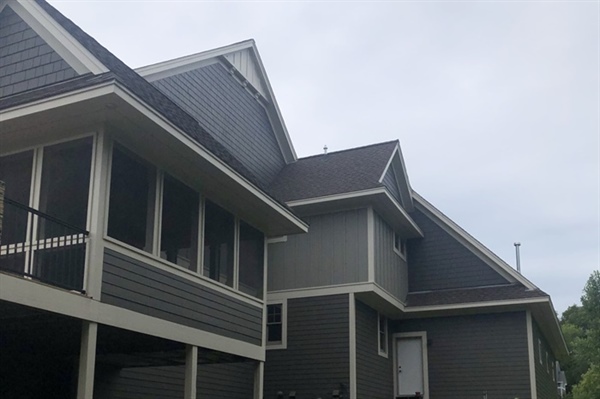
Cold climates create some of the toughest conditions for exterior paint. Homes in Minneapolis and throughout the Upper Midwest face repeated freeze-thaw cycles, snow accumulation, ice, wind-driven moisture, and strong seasonal UV exposure. Exterior coatings that perform well in mild regions may begin to crack, peel, fade, or absorb moisture after only a few winters when exposed to harsh northern weather. Choosing the right paint system involves more than selecting a color. Homeowners need to understand how resin types, paint finishes, pigment quality, and weather resistance all contribute to long-term durability and appearance.
Many homeowners also want to know whether premium products truly provide measurable value over standard paints. The answer often depends on how well the coating resists moisture intrusion, surface expansion and contraction, ultraviolet degradation, and long-term maintenance demands. In this guide, Revel Painting explores key factors that influence exterior paint performance in cold climates, including acrylic versus latex formulations, moisture-resistant finishes, UV stability, maintenance expectations, and whether premium coatings justify the investment. Homeowners researching exterior painting solutions can use these insights to make informed decisions before starting a project.
Acrylic vs. Latex Paint for Exterior Homes in Cold Climates
Modern exterior paints are often labeled as latex paints because they are water-based, but the resin technology inside the product determines long-term outdoor performance. Acrylic latex paints contain acrylic resins that create a more flexible and weather-resistant coating than vinyl-heavy latex products. In cold climates where siding expands and contracts repeatedly throughout the year, flexibility is critical. Rigid coatings tend to crack under stress, allowing moisture to penetrate beneath the paint film. Once moisture enters the substrate and freezes, peeling and blistering become much more likely.
High-quality acrylic formulations perform better against snow, rain, and temperature swings because they maintain elasticity over time. Acrylic resins also provide stronger adhesion to wood, fiber cement, engineered wood, aluminum, and properly prepared masonry surfaces. This stronger bond helps reduce premature paint failure in areas exposed to freeze-thaw cycles. Exterior paints with high acrylic content also resist mildew growth more effectively because they shed water efficiently and dry faster after storms or snowmelt.
Lower-grade vinyl latex paints may initially cost less, but they typically weather faster in northern environments. Vinyl-heavy products often become brittle after prolonged UV exposure and cold-weather stress. As the paint ages, fading, chalking, and cracking can appear sooner than with premium acrylic systems. Many professional contractors specializing in exterior painting recommend 100% acrylic exterior coatings for homes exposed to harsh seasonal weather because they consistently outperform lower-resin alternatives in durability testing and long-term field performance.
Best Exterior Paint Finishes for Snow, Ice, and Moisture Resistance
Paint finish selection plays a major role in moisture management and long-term durability. Flat finishes absorb more moisture and tend to collect dirt, making them less suitable for most exterior surfaces in cold climates. Moisture retention becomes especially problematic during winter because absorbed water can freeze inside microscopic surface pores, contributing to paint deterioration and substrate damage over time.
Satin and low-luster finishes generally provide the best balance between durability, moisture resistance, and appearance for exterior siding. These finishes create a tighter surface film that sheds water more effectively than flat paints while still minimizing visible surface imperfections. Satin coatings are commonly recommended for wood, engineered siding, and fiber cement because they resist mildew growth and remain easier to clean after exposure to slush, pollen, and airborne contaminants.
Semi-gloss finishes are often reserved for trim, doors, fascia, and architectural details that experience heavier moisture exposure. Their smoother surface helps repel water and withstand repeated freeze-thaw conditions. Higher sheen coatings also hold up better to cleaning in areas where snow buildup and ice dams contribute to staining. In Minneapolis, where snow and moisture exposure remain constant for several months each year, selecting the proper sheen level can significantly improve the lifespan of exterior coatings and reduce maintenance frequency.
UV Resistance and Color Fading in Northern Climates
Many homeowners assume northern climates experience less UV damage because temperatures remain lower than southern regions. In reality, ultraviolet exposure still creates substantial long-term stress on exterior paint systems. Snow and ice reflect sunlight, increasing UV exposure on painted surfaces during winter months. Over time, ultraviolet radiation breaks down paint binders and pigments, causing fading, chalking, and gradual loss of surface integrity.
Darker paint colors generally absorb more heat and UV radiation than lighter shades, which can accelerate fading and thermal movement. South- and west-facing elevations usually experience the greatest color degradation because they receive the most direct sunlight throughout the year. High-quality paints contain advanced UV-resistant pigments and stronger binders that slow this breakdown process significantly compared to economy-grade coatings.
Premium acrylic paints often use titanium dioxide and high-performance colorants that improve fade resistance while maintaining color consistency for longer periods. Paint manufacturers also formulate advanced resins to resist chalking and oxidation caused by seasonal exposure. Proper surface preparation remains equally important because poorly prepared substrates allow moisture infiltration that accelerates coating breakdown. Homes in northern regions benefit from paint systems specifically designed for extended weather exposure and UV stability under fluctuating temperatures.
How Exterior Paint Quality Affects Long-Term Maintenance
Exterior paint quality directly impacts maintenance schedules, repainting frequency, and long-term structural protection. Higher-quality paints contain stronger binders, more durable pigments, and higher solids content. These ingredients allow the coating to form a thicker, more resilient protective film over the surface. Better film formation improves adhesion and helps block moisture intrusion, which remains one of the leading causes of exterior paint failure in cold climates.
Lower-grade paints often require additional coats to achieve proper coverage because they contain fewer solids and lower pigment concentration. Even after application, cheaper coatings may fade or degrade faster, leading to earlier repainting cycles. When paint begins failing prematurely, moisture can penetrate siding, trim, and wood components, increasing the risk of rot, swelling, and mold development beneath the surface.
Professional painters frequently emphasize preparation because even premium paint cannot compensate for poor substrate conditions. Surfaces exposed to peeling paint, trapped moisture, or failed caulking require thorough repair before repainting. Quality primers, compatible topcoats, and proper curing temperatures all influence durability. Companies like Revel Painting focus heavily on preparation and coating selection because long-term maintenance costs are often determined more by system quality than by initial application expense alone.
Are Premium Exterior Paints Worth the Investment?
Premium exterior paints typically cost more because they contain higher concentrations of durable resins, advanced additives, and fade-resistant pigments. While the upfront material price increases, these products often provide substantially longer service life in cold climates. Better adhesion, improved flexibility, enhanced moisture resistance, and slower fading contribute to fewer repainting cycles over the life of the home.
Long-term value becomes especially important in regions with severe winters because repainting exterior surfaces involves significant labor, preparation, and weather coordination. A lower-cost paint that fails several years earlier may ultimately increase total ownership costs due to additional labor and maintenance expenses. Premium coatings also maintain appearance longer, helping preserve curb appeal and surface protection during prolonged exposure to snow, ice, wind, and UV radiation.
Revel Painting works with homeowners throughout Minneapolis to evaluate siding materials, environmental exposure, surface condition, and desired maintenance intervals before recommending products. Matching the correct coating system to the home’s climate conditions helps improve durability and reduce premature paint failure. Homeowners looking for guidance on exterior paint systems, moisture resistance, and long-term maintenance planning can contact Revel Painting to learn more about professional coating options designed for northern climates.
Professional Exterior Painting Solutions for Cold Climate Homes
At Revel Painting, we understand how demanding Minnesota weather can be on exterior surfaces. Our team works with homeowners to select high-performance coatings designed to withstand freeze-thaw cycles, heavy moisture exposure, UV radiation, and seasonal temperature fluctuations. We focus on detailed preparation, durable paint systems, and professional application methods that help maximize the lifespan of every project.
Whether you are comparing acrylic and latex paints, evaluating moisture-resistant finishes, or deciding whether premium products are worth the investment, we provide guidance backed by real-world experience working on homes throughout Minneapolis and the surrounding Twin Cities area. Our painters carefully assess siding condition, existing coatings, weather exposure, and long-term maintenance goals before recommending a paint system tailored to your property.
Revel Painting proudly serves homeowners seeking long-lasting residential painting solutions that combine durability, appearance, and weather resistance. To learn more about our services or schedule a consultation, call Revel Painting at 612-345-9136, visit us at 3100 West Lake Street Apt. 721, Minneapolis, MN 55416, or contact us online today.