What Preparation Is Required Before Exterior House Painting?
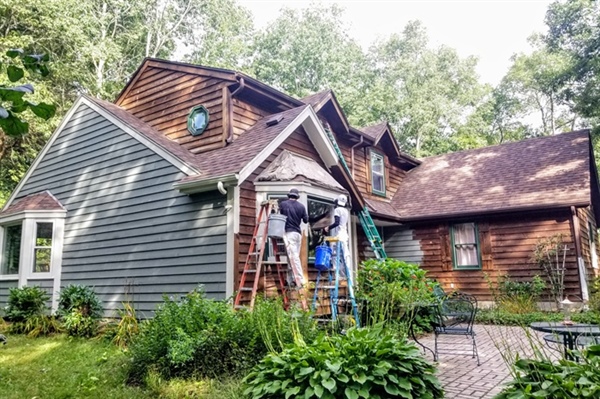
Exterior house painting involves much more than choosing a color and applying fresh paint. The preparation phase directly affects how long the paint lasts, how well it protects the home, and how clean and professional the final appearance looks. Homeowners often focus on the paint itself, but experienced painters know the surface underneath determines whether a coating performs properly for years or begins peeling and cracking far too soon. At Revel Painting, preparation is treated as one of the most important parts of any exterior project because every layer of paint depends on a stable, clean, and properly repaired surface.
Many exterior painting failures can be traced back to rushed preparation. Dirt, chalky residue, mildew, moisture damage, and loose paint all interfere with adhesion and durability. Surfaces exposed to Minnesota weather experience expansion, contraction, UV exposure, moisture infiltration, and freeze-thaw cycles that gradually weaken siding and trim over time. Proper preparation addresses these conditions before paint is applied. Throughout this article, we will examine why power washing matters, how to identify hidden surface damage, why scraping and sanding affect adhesion, when primers are required, and how inadequate preparation contributes to premature paint failure. Homeowners researching exterior house painting often discover that the preparation process has a greater effect on long-term results than the paint color itself.
Why Power Washing Is Critical Before Painting Exterior Surfaces
Power washing removes contaminants that prevent paint from bonding correctly to exterior surfaces. Over time, siding accumulates dirt, pollen, mildew, algae, chalky oxidation, airborne pollutants, and old paint residue. These materials create a barrier between the new coating and the substrate beneath it. Even high-quality exterior paint cannot adhere properly when applied over contaminated surfaces. Professional preparation standards typically include washing because clean surfaces improve coating penetration and reduce the risk of peeling or blistering after application.
Moisture-related organic growth is another major concern during exterior preparation. Areas shaded by trees or exposed to frequent humidity often develop mildew or algae that may not be visible from a distance. Painting over biological growth traps moisture beneath the coating and allows deterioration to continue underneath the paint film. Proper washing removes these contaminants before repairs and priming begin. Exterior surfaces should also be allowed to dry completely after washing because trapped moisture can interfere with adhesion and create bubbling or cracking once temperatures fluctuate.
Power washing also exposes hidden surface conditions that are difficult to detect when dirt and failing paint are still present. Loose caulking, deteriorated trim, soft wood, cracked siding, and peeling coatings become more visible after cleaning. This allows contractors to identify repairs before new paint is applied. Many homeowners researching exterior house painting are surprised to learn that preparation often takes longer than painting itself because surface cleaning directly affects durability and coating performance.
How to Identify and Repair Surface Damage Before Exterior Painting
Exterior painting preparation should always include a detailed inspection of siding, trim, caulking, fascia, soffits, and other exposed materials. Paint failure is frequently linked to underlying substrate problems rather than coating defects. Water intrusion around windows, doors, gutters, and rooflines can soften wood and weaken structural materials beneath the existing paint. If damaged areas are not repaired before painting, moisture continues spreading beneath the new coating and shortens the lifespan of the project.
Cracked caulking and gaps around joints are common areas where moisture enters exterior assemblies. Older homes may also have sections of wood rot hidden beneath peeling paint or swollen trim boards. Professional preparation often includes probing suspect areas, replacing deteriorated wood, resealing joints, and addressing moisture pathways before priming begins. This process stabilizes the substrate and creates a more reliable foundation for exterior coatings. Surface repairs are especially important in climates with repeated freeze-thaw cycles because trapped moisture expands as temperatures drop, accelerating paint failure and material breakdown.
Hairline cracks in stucco, damaged siding seams, rust stains around fasteners, and chalking paint surfaces should also be evaluated before repainting. Minor defects can often become major structural problems when ignored beneath fresh paint layers. Proper preparation focuses on correcting the source of deterioration rather than simply covering visible symptoms. In Minneapolis, where seasonal weather changes place significant stress on exterior materials, thorough inspection and repair work help preserve both the appearance and integrity of painted surfaces.
The Role of Scraping and Sanding in Paint Adhesion
Scraping and sanding are essential steps for creating a stable surface that allows new paint to bond effectively. Exterior coatings fail when paint is applied over loose or deteriorating material because the new layer simply adheres to unstable paint underneath. Scraping removes peeling, flaking, bubbling, and cracked coatings that would otherwise continue separating from the substrate. This process helps expose solid surfaces capable of supporting new paint systems.
Sanding serves several important purposes during exterior preparation. First, it smooths rough transitions between exposed substrate areas and intact paint edges, helping produce a more uniform finish appearance. Second, sanding creates microscopic texture that improves mechanical adhesion between the primer or paint and the surface below. Glossy or heavily weathered coatings often resist new paint unless they are properly abraded beforehand. Without adequate sanding, even premium coatings may struggle to bond consistently across the exterior.
Professional preparation methods also help reduce visible defects after painting is complete. Uneven edges, raised peeling areas, and rough surfaces become highly noticeable once fresh paint is applied, especially in direct sunlight. Thorough sanding improves both appearance and durability while helping coatings cure more evenly across the substrate. Properly prepared surfaces contribute to longer-lasting finishes and reduce the likelihood of premature chipping, blistering, or edge lifting over time.
When Primer Is Necessary for Exterior Surfaces
Primer plays a critical role in exterior painting when surfaces are exposed, repaired, stained, porous, or difficult to bond with directly. Bare wood, patched areas, weathered siding, masonry surfaces, and exposed filler materials typically require primer before finish paint is applied. Primers improve adhesion, help create consistent porosity across the surface, and seal substrates that might otherwise absorb paint unevenly. Skipping primer in these situations can lead to flashing, uneven sheen, and reduced coating durability.
Stain-blocking primers are also important when surfaces contain water stains, tannin bleed, rust discoloration, smoke residue, or previous coating failures. Cedar and redwood siding, for example, naturally release tannins that can bleed through finish paint if they are not properly sealed first. Certain primers are specifically formulated to isolate these stains and prevent discoloration from affecting the final appearance. Primer selection should always match both the substrate condition and the finish coating system being used.
Previously painted surfaces do not always require full priming, but spot priming exposed or repaired areas is often necessary to create uniform adhesion and appearance. Areas with extensive scraping or sanding typically need primer because raw surfaces absorb paint differently than intact coatings nearby. Revel Painting emphasizes preparation techniques that support coating longevity rather than relying solely on topcoat performance. Proper primer application helps stabilize exterior surfaces and contributes to more predictable long-term results.
How Poor Preparation Leads to Premature Paint Failure
Poor preparation is one of the leading causes of premature exterior paint failure. Paint systems are designed to perform under harsh environmental conditions, but they depend on proper surface preparation to achieve full adhesion and durability. When contaminants, moisture, loose paint, or damaged substrates remain untreated, the coating system weakens quickly under exposure to sunlight, rain, temperature fluctuations, and seasonal expansion and contraction.
Common signs of preparation-related paint failure include peeling, blistering, bubbling, cracking, chalking, and uneven fading. Moisture trapped beneath improperly prepared surfaces often causes paint to separate from the substrate. In other cases, paint applied over dirty or glossy surfaces may fail to bond correctly and begin flaking within a short period. Coating manufacturers frequently identify inadequate preparation as a primary reason paint systems fail before reaching their expected service life.
Long-term exterior performance depends on preparation methods that address both visible and hidden surface conditions before painting begins. Cleaning, repairs, sanding, scraping, moisture management, and priming all work together to create a stable substrate capable of supporting durable coatings. Homeowners researching exterior painting projects often focus on product selection, but preparation quality typically has a greater impact on longevity than the paint brand itself. For more information about preparation standards and exterior coating systems, homeowners can visit Revel Painting to learn more about professional exterior painting processes.
At Revel Painting, we understand that successful exterior painting starts long before the first coat of paint is applied. Our preparation process focuses on cleaning, inspecting, repairing, sanding, scraping, priming, and stabilizing exterior surfaces so coatings can perform properly in Minnesota’s demanding climate. We approach every project with attention to detail because long-lasting results depend on the condition of the surface underneath the paint.
Our team works with homeowners throughout Minneapolis to address the common issues that lead to premature paint failure, including moisture intrusion, peeling coatings, deteriorated wood, failed caulking, and improper adhesion. We take the time to evaluate each surface carefully so repairs and preparation methods match the condition of the home. From power washing and substrate repair to primer selection and finish application, our process is designed to improve durability, appearance, and long-term protection.
If you are planning an exterior painting project and want experienced guidance on preparation methods, surface repairs, coating systems, or maintenance expectations, Revel Painting is ready to help. Contact us to learn more about our exterior painting services and preparation process.
Revel Painting
3100 West Lake Street Apt. 721 Minneapolis, MN 55416
Phone: 612-345-9136