What Is The Best Time Of Year For Exterior House Painting in Minnesota?
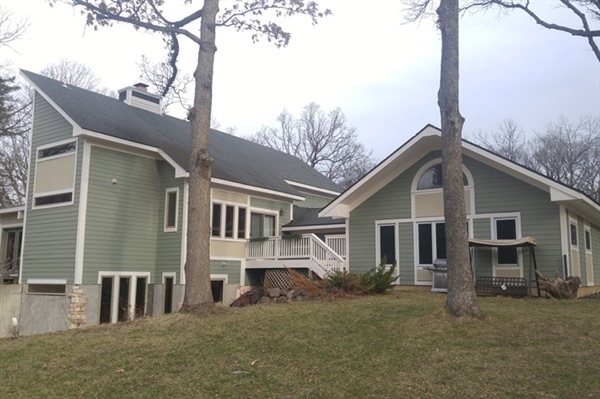
Minnesota homeowners know how quickly weather conditions can change from one season to the next. A week of warm sunshine can suddenly shift into rain, humidity, or overnight temperature drops that affect how paint cures and bonds to exterior surfaces. Because of this, timing matters more than many people realize when planning an exterior painting project. The best results depend on stable temperatures, manageable humidity levels, dry surfaces, and enough daylight for proper curing. Choosing the right season helps paint last longer, maintain stronger adhesion, and resist cracking, peeling, and fading over time.
Revel Painting regularly works with homeowners who want to understand how Minnesota’s climate impacts long-term paint performance. While many people assume summer is automatically the best season for exterior house painting, professional painters often look much deeper at temperature swings, moisture levels, sun exposure, and forecast consistency before beginning work. Understanding ideal painting temperatures, the risks of early spring and late fall projects, how humidity affects drying time, why peak summer heat can create problems, and how professionals schedule around unpredictable weather conditions can help homeowners make smarter decisions before starting an exterior painting project.
Ideal Temperature Range for Exterior House Painting in Minnesota
The ideal temperature range for exterior painting usually falls between 50 and 85 degrees Fahrenheit for most modern exterior paints. Many premium acrylic latex paints can tolerate slightly lower overnight temperatures, but surface temperature matters just as much as air temperature. In Minnesota, siding, trim, stucco, and wood surfaces can retain cold overnight temperatures well into the morning, even after daytime temperatures rise. Professional painters often monitor both ambient air conditions and substrate temperatures before applying coatings.
Paint applied outside the recommended temperature range can experience major performance issues. When temperatures are too cold, paint thickens and cures slowly, which can lead to uneven finishes, poor adhesion, blistering, and premature peeling. Extremely hot temperatures create a different problem. Paint can dry too quickly on the surface before properly bonding underneath, causing lap marks, flashing, and inconsistent sheen levels. Direct sunlight on darker siding materials can increase surface temperatures well above outdoor air temperatures during summer afternoons.
Minnesota’s climate creates unique scheduling challenges because temperatures can fluctuate significantly between day and night during spring and fall. Stable weather patterns matter more than isolated warm afternoons. Experienced crews performing exterior house painting projects often schedule work during periods with consistent daytime temperatures and overnight lows that stay within manufacturer curing recommendations. Revel Painting in Minneapolis understands how temperature stability affects long-term coating durability across wood, engineered siding, stucco, fiber cement, and composite exterior surfaces.
Can You Paint a House in Early Spring or Late Fall?
Exterior painting during early spring or late fall is possible in Minnesota, but these seasons require much closer attention to weather forecasts and surface conditions. The biggest concern is overnight temperature drops. Even if daytime temperatures appear acceptable, paint may fail to cure correctly when nighttime temperatures fall below manufacturer minimums during the curing window. Moisture from overnight condensation can also interfere with adhesion before coatings fully harden.
Early spring introduces another challenge: residual moisture within exterior materials. Snowmelt, spring rains, and frozen ground conditions can leave wood siding and trim holding moisture beneath the surface. Painting over damp substrates traps moisture inside the material, increasing the likelihood of blistering, bubbling, and peeling later. Professional painters frequently use moisture meters to evaluate siding conditions before beginning spring projects.
Late fall presents shorter daylight hours and slower curing times due to reduced solar warmth. While some advanced paint formulations are designed for lower-temperature applications, stable weather remains critical. A sudden cold front arriving shortly after paint application can interrupt curing and weaken overall performance. Homeowners researching seasonal painting schedules often learn that weather consistency matters more than the calendar itself. Revel Painting schedules projects around predictable weather windows rather than relying strictly on traditional seasonal assumptions.
How Humidity Affects Exterior Paint Application and Drying Time
Humidity plays a major role in exterior paint performance because moisture in the air directly affects evaporation rates during the curing process. Most exterior paints cure best when relative humidity stays between roughly 40% and 70%. When humidity rises too high, water within latex paint evaporates more slowly, extending drying times and increasing the chance of surface defects. Minnesota summers often bring periods of elevated humidity following rainstorms or during prolonged stretches of warm weather.
High humidity can cause paint to remain tacky for extended periods, making it more vulnerable to dirt contamination, insects, pollen, and uneven texture development. Moisture trapped beneath partially cured coatings may also contribute to blistering or adhesion failure later. Wood siding is especially vulnerable because it naturally absorbs and releases moisture depending on environmental conditions. Professional painters often avoid painting immediately after rainfall, heavy morning dew, or periods of prolonged humidity buildup.
Low humidity can also create problems when paired with excessive heat and direct sunlight. Paint may dry too rapidly at the surface level, preventing proper leveling and bonding underneath. This can create visible brush marks, roller lines, and inconsistent finish appearance. Experienced painters carefully balance humidity, temperature, sun exposure, and wind conditions before applying coatings. Monitoring dew point forecasts is also common practice because condensation forming overnight can affect curing during the first critical hours after application.
Why Summer Is Not Always the Best Season for Exterior Painting
Many homeowners assume summer automatically provides ideal painting conditions because temperatures are warmer and days are longer. In reality, peak summer conditions can sometimes create more challenges than moderate spring or early fall weather. High heat combined with direct sunlight can force paint to dry too quickly, especially on south-facing or dark-colored surfaces that absorb significant solar heat throughout the day.
Surface temperatures on siding frequently exceed outdoor air temperatures by 15 to 30 degrees during sunny summer afternoons. Dark exterior surfaces may become hot enough to compromise proper paint leveling and curing. Fast drying prevents coatings from forming a smooth, even film, increasing the likelihood of visible lap marks, flashing, and inconsistent sheen. Wind exposure during hot summer days can accelerate this issue even further by increasing evaporation rates.
Minnesota summers also bring thunderstorms, sudden humidity swings, and unpredictable weather patterns that complicate scheduling. Professional painters often prefer late spring and early fall because those seasons can provide more stable daytime temperatures and lower humidity levels. Instead of focusing only on the warmest months, experienced contractors evaluate the total environmental conditions surrounding each project. Revel Painting plans exterior projects around forecast stability, surface exposure, sun direction, and material conditions to improve long-term durability and finish quality.
How Professional Painters Schedule Around Weather Conditions
Professional exterior painters rely heavily on weather forecasting tools, moisture readings, temperature tracking, and regional climate patterns when planning projects in Minnesota. Scheduling involves much more than simply choosing sunny days. Painters monitor hourly forecasts, overnight lows, dew points, precipitation probability, humidity levels, and wind conditions to identify safe application windows that allow paint to cure properly.
Experienced crews also adjust working hours based on sun exposure and surface temperatures throughout the day. South-facing walls may become too hot during afternoon hours, while shaded elevations may retain moisture longer in the morning. Many painters rotate around the home strategically to maintain ideal working conditions across different surfaces. This level of planning helps prevent premature drying, trapped moisture, and adhesion problems that reduce paint lifespan.
Professional scheduling also includes contingency planning for sudden weather changes common throughout Minnesota. Rain forecasts, overnight condensation, and cold fronts can shift quickly during transitional seasons. Reliable contractors build flexibility into project timelines so surfaces receive adequate preparation, drying time, and curing conditions before additional coats are applied. Homeowners working with Revel Painting benefit from a process that prioritizes weather timing, material performance, and long-term exterior protection rather than rushing projects during unfavorable conditions.
Professional Exterior Painting Services for Minnesota Homes
At Revel Painting, we understand how Minnesota’s climate affects every stage of an exterior painting project. From monitoring temperature swings and humidity levels to scheduling around rain forecasts and seasonal transitions, our team focuses on creating long-lasting finishes that hold up against harsh weather conditions. We work with homeowners throughout the Minneapolis area to plan exterior painting projects during the most stable conditions possible for stronger adhesion, better curing, and improved durability.
Our team handles wood siding, fiber cement, stucco, engineered siding, trim, and full exterior repainting projects using detailed preparation methods designed for Minnesota homes. We evaluate moisture levels, surface conditions, sun exposure, and forecast patterns before beginning work so coatings perform as intended over the long term. Whether you are trying to determine the best season to paint, understand how weather affects curing, or prepare your home for a full repaint, we help homeowners make informed decisions based on proven exterior painting practices.
Revel Painting is located at 3100 West Lake Street, Apt. 721, Minneapolis, MN 55416. Homeowners can contact our team at 612-345-9136 to discuss seasonal scheduling, exterior paint performance, and weather-related planning considerations for Minnesota homes. To speak with our team directly about your project, please contact us.