How to Safely Remove Lead Paint in Your Home
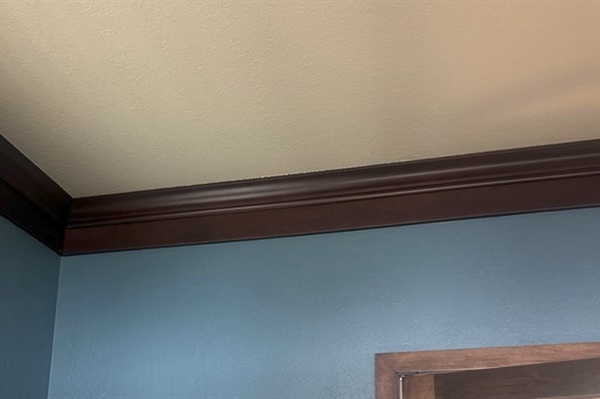
Lead paint was once a common feature in homes built before 1978, but today it poses serious health risks if disturbed or improperly removed. Whether you’re restoring an older home or updating a historic property, understanding how to manage lead paint safely is essential.
The removal process requires strict safety protocols, specialized tools, and knowledge of proper containment methods to avoid spreading lead dust into the air or onto household surfaces. Homeowners often underestimate the complexity of removing lead paint safely. What might appear to be a simple repainting project can quickly become a hazardous situation without the correct precautions.
This guide breaks down everything you need to know about safely handling and removing lead paint from your home — including how to identify hazardous areas, understand the health risks, choose proper protective equipment, follow safe removal methods, and complete thorough cleanup procedures. Whether you plan to perform limited work yourself or hire professionals for residential painting, this detailed resource will help you make informed and safe decisions.
Identifying Lead Paint: How to Test and Recognize Hazardous Areas
Identifying lead paint starts with assessing the age and condition of your home. Homes built before 1978 have a high likelihood of containing lead-based paint, especially on windows, trim, doors, and older woodwork. A peeling, chipping, or chalking surface is a common indicator that the paint layer may contain lead and should be tested before any sanding or scraping begins.
Testing methods include EPA-approved lead test kits, which provide immediate results, and laboratory testing of paint samples for more accurate analysis. Certified lead inspectors can also perform X-ray fluorescence (XRF) testing to identify lead concentrations beneath multiple paint layers. When sampling, safety measures such as gloves, masks, and containment barriers are essential to prevent cross-contamination of dust particles.
If you confirm the presence of lead, it’s important to create a management plan that prioritizes areas with deteriorating paint or high human contact. Rooms frequented by children and pets should receive immediate attention. Professional contractors, such as those specializing in residential painting, often integrate safe lead handling and containment practices as part of their preparation process.
Health Risks of Lead Exposure: Why Safe Removal is Essential
Lead exposure occurs primarily through inhalation or ingestion of microscopic lead dust generated during renovation or deterioration of painted surfaces. Once in the bloodstream, lead can accumulate in bones, organs, and tissues, causing long-term damage. The most serious effects appear in children and pregnant women, where lead exposure can disrupt neurological development and cause irreversible cognitive and behavioral impairments.
Adults exposed to lead dust may experience hypertension, kidney dysfunction, reproductive problems, and cognitive decline. Chronic low-level exposure has been linked to cardiovascular diseases and immune system suppression. Given these risks, maintaining a controlled removal process with minimal dust generation is critical to prevent accidental contamination of household air and surfaces.
The EPA’s Renovation, Repair, and Painting (RRP) Rule outlines strict procedures for working in homes with lead paint, requiring certified contractors to use containment, HEPA filtration, and specialized cleanup methods. These safety standards ensure that renovation projects protect both workers and residents. For large-scale or recurring exposure concerns, homeowners in Minneapolis can consult with licensed professionals from Revel Painting to ensure compliance with federal and local safety regulations.
Protective Gear and Safety Precautions: Minimizing Exposure During Removal
Using proper protective equipment (PPE) is the most effective way to minimize lead exposure during removal. Respirators with HEPA filters, disposable coveralls, gloves, and safety goggles are mandatory. Ventilation systems should be shut off or sealed, and work areas should be enclosed with plastic sheeting to prevent dust migration to adjacent rooms. Only wet removal techniques should be used to suppress dust, and all workers should undergo thorough decontamination before leaving the site.
Disposable shoe covers and floor containment mats reduce tracking of dust throughout the home. Vacuuming with a HEPA-certified vacuum immediately after work prevents the accumulation of lead debris on surfaces. It’s also critical to prohibit eating, drinking, or smoking in the work area to prevent ingestion of contaminated particles.
Every precaution — from proper disposal of used PPE to controlled ventilation — plays a role in maintaining a safe workspace. Consistency in following safety standards greatly reduces the likelihood of airborne contamination during the removal process.
Step-by-Step Lead Paint Removal Methods: Wet Scraping, Encapsulation, and More
Lead paint can be managed through several methods depending on the extent of contamination, the condition of the surface, and the homeowner’s renovation goals. The most common approaches include wet scraping, chemical stripping, and encapsulation. Each requires specific tools and preparation to contain lead particles effectively.
Wet scraping involves misting painted surfaces with water before gently removing loose paint using a scraper. The moisture prevents dust from becoming airborne. Chemical stripping uses lead-safe solvents to soften layers of paint for removal without sanding. Encapsulation — often preferred for stable surfaces — involves applying a specialized sealant over the existing lead paint, permanently locking in lead particles beneath a durable coating.
Regardless of the method chosen, using HEPA-filtered vacuums and ensuring proper ventilation are essential. Waste materials, including used rags and filters, must be collected and sealed in heavy-duty bags labeled for hazardous waste. These procedures protect both residents and workers during extensive restoration or residential painting projects.
Proper Cleanup and Disposal: Ensuring a Lead-Free Home for Your Family
After removal, a meticulous cleanup is required to eliminate all traces of lead dust. Start by vacuuming all surfaces with a HEPA-filtered vacuum, then wet-wipe walls, floors, and fixtures using disposable cloths. Replace HVAC filters, clean ducts, and dispose of all materials in sealed containers marked as hazardous waste according to local disposal regulations. Surfaces should be retested to confirm lead levels fall below EPA clearance limits.
Contaminated waste must never be mixed with regular household garbage. Many local municipalities, including Minneapolis, offer designated facilities or hazardous waste collection programs for lead-contaminated debris. Always transport materials in sealed containers to prevent spills or exposure during transit.
Post-cleanup verification through dust wipe sampling or laboratory testing ensures your home is completely safe for reoccupation. Once cleared, applying a fresh coat of paint from a certified professional like Revel Painting guarantees a clean, modern, and safe finish for your living space.
Protect Your Home and Health with Revel Painting
Revel Painting has extensive experience managing older properties throughout Minneapolis, offering comprehensive interior and exterior painting services designed to meet modern safety standards. Our team follows all EPA Renovation, Repair, and Painting (RRP) guidelines, ensuring every project — whether restoration or residential painting — prioritizes health, safety, and precision.
If you suspect your home contains lead paint or you’re planning a renovation, we can help assess, manage, and restore your surfaces using environmentally responsible techniques. For questions or consultations, reach out to Revel Painting at 612-345-9136 or contact us online today.