How Often Should You Repaint The Exterior Of a House in Minnesota?
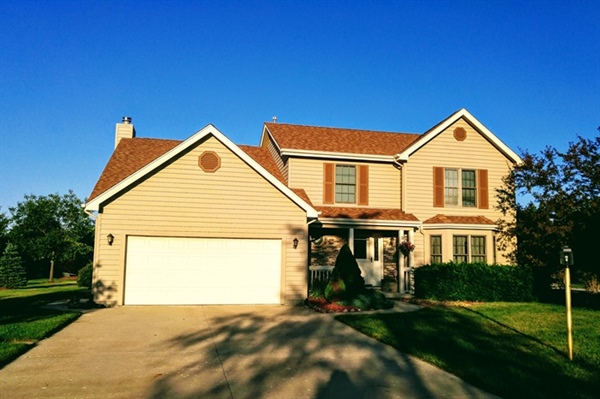
Minnesota homes face some of the harshest exterior conditions in the country. Long winters, repeated freeze-thaw cycles, heavy snow, spring rain, direct summer sun, and fluctuating humidity levels all place stress on exterior paint systems year after year. Homeowners often wonder how often they should repaint the exterior of a house in Minnesota because the answer depends on more than just the calendar. Paint lifespan is shaped by siding material, preparation quality, climate exposure, paint products, and ongoing maintenance. In many cases, a properly painted exterior can last between five and ten years in Minnesota, though some materials and surfaces may require attention sooner.
Understanding what impacts paint longevity helps homeowners make better maintenance decisions before damage spreads into siding, trim, or structural components. Throughout this guide, we’ll cover the factors that affect exterior paint lifespan in Minnesota climates, how freeze-thaw weather impacts paint durability, which siding materials need repainting more often, the early warning signs that indicate your home may need repainting, and whether professional surface preparation can extend repainting cycles. Revel Painting has worked with homes throughout Minneapolis and the surrounding Twin Cities area, where seasonal weather patterns create unique demands for exterior painting projects.
What Factors Affect Exterior Paint Lifespan in Minnesota Climates?
Exterior paint durability in Minnesota is heavily influenced by environmental exposure. Homes experience wide seasonal temperature swings that can place stress on painted surfaces throughout the year. During winter, temperatures may remain below freezing for extended periods, while summer heat and ultraviolet exposure accelerate fading and surface breakdown. Moisture intrusion from snow, rain, and humidity also contributes to paint deterioration over time. South-facing walls often fade faster because they receive greater sun exposure, while shaded areas may experience more moisture retention and mildew growth.
The quality of paint products used on the home also plays a major role in longevity. Higher-grade acrylic latex paints generally perform better in cold-weather climates because they maintain flexibility during expansion and contraction cycles. Lower-quality coatings tend to become brittle sooner, which can lead to cracking, peeling, or blistering. Modern premium exterior paints are formulated to resist UV degradation, moisture penetration, and temperature stress more effectively than older formulations. Paint sheen also matters. Satin and low-luster finishes are commonly selected because they balance durability with appearance while helping surfaces shed moisture more effectively.
Surface preparation directly impacts how long exterior paint lasts. Paint adheres best to clean, dry, and properly repaired surfaces. Dirt, chalking, mildew, loose paint, or trapped moisture beneath new coatings can shorten the lifespan of even premium paint products. Caulking failures around trim and windows may allow water infiltration that causes premature peeling or wood deterioration. Professional preparation practices such as sanding, scraping, priming exposed substrates, and moisture management often contribute significantly to coating performance. In climates like Minnesota, homeowners researching exterior painting projects often focus on both paint quality and preparation standards because both affect long-term durability.
How Does Freeze-Thaw Weather Impact Exterior Paint Durability?
Freeze-thaw cycling is one of the most damaging environmental conditions for painted exteriors in northern climates. When temperatures fluctuate above and below freezing, siding materials expand and contract repeatedly. This movement places stress on paint films and can eventually cause cracking or separation from the surface below. Even microscopic cracks may allow moisture to enter the substrate, which becomes more destructive when trapped water freezes and expands. Over multiple seasons, this process weakens paint adhesion and accelerates failure.
Moisture management is closely tied to freeze-thaw performance. Snow accumulation, ice dams, and prolonged dampness can expose exterior surfaces to moisture for months at a time. When water penetrates behind paint films or enters porous materials such as wood, freezing temperatures create internal pressure that pushes coatings away from the surface. This often appears as bubbling, blistering, or peeling paint during spring thaw periods. Areas around joints, trim connections, window frames, and horizontal surfaces are particularly vulnerable because water tends to collect there.
Modern exterior paint systems are designed to remain flexible during temperature fluctuations, but proper installation conditions still matter. Paint applied during unsuitable weather conditions may not cure properly, reducing its ability to withstand Minnesota winters. Professional painters typically monitor temperature, humidity, and dew point conditions closely before applying coatings. Homes in Minneapolis and nearby communities frequently experience repeated seasonal stress, making long-term paint durability dependent on both material performance and environmental resistance. Choosing appropriate primers, flexible acrylic coatings, and moisture-resistant caulking systems helps reduce the impact of freeze-thaw cycles over time.
Which Siding Materials Require More Frequent Repainting?
Wood siding generally requires more frequent repainting than many modern siding materials because it naturally absorbs and releases moisture. Expansion and contraction can place stress on paint films, especially on older homes exposed to prolonged sunlight or moisture. Cedar and other wood species may also develop tannin bleed, surface checking, or weathering that affects coating performance. In Minnesota climates, painted wood siding may require repainting every five to seven years depending on exposure conditions, paint quality, and maintenance practices.
Engineered wood products and hardboard siding can also require relatively frequent maintenance if moisture protection is compromised. When edges or seams are not sealed correctly, water intrusion may cause swelling or substrate breakdown beneath the paint film. Fiber cement siding typically offers longer repainting intervals because it is dimensionally stable and less vulnerable to moisture expansion. Properly painted fiber cement exteriors may maintain appearance and protection for ten years or longer when quality coatings are used and surfaces are maintained appropriately.
Aluminum and vinyl siding present different repainting considerations. Aluminum siding may chalk and fade over time, though repainting intervals are often longer than wood. Vinyl siding is usually manufactured with baked-in color, but fading can still occur from UV exposure. Painting vinyl requires coatings specifically formulated for expansion characteristics and heat absorption concerns. Stucco exteriors may also require periodic repainting because porous surfaces absorb moisture and experience cracking over time. Revel Painting works with homeowners throughout Minneapolis on a wide range of exterior surfaces, and material-specific preparation methods are often one of the biggest factors affecting long-term coating performance.
What Are Early Signs Your Home Needs Repainting?
Fading color is often one of the earliest indicators that exterior paint is beginning to deteriorate. Ultraviolet exposure gradually breaks down paint pigments and binders, especially on sides of the home that receive prolonged sunlight. Darker paint colors tend to show fading more noticeably because UV rays affect pigment stability over time. While fading may initially appear cosmetic, it often signals that protective properties within the coating are weakening.
Peeling, cracking, blistering, and flaking paint indicate more advanced coating failure. These conditions usually develop when moisture penetrates beneath the paint surface or when aging coatings lose flexibility. Cracks around trim boards, joints, windows, and fascia are particularly important to monitor because they may allow water intrusion into the structure. Bubbling paint can also indicate trapped moisture beneath the surface, which may eventually contribute to wood rot or substrate damage if left untreated.
Other warning signs include chalky residue on surfaces, exposed bare substrate, mildew growth, and failing caulk lines. Chalking occurs when paint binders degrade and leave powdery residue on the surface. This often appears before widespread peeling develops. Homeowners should also inspect horizontal trim, lower siding sections, and areas near gutters because these locations commonly experience elevated moisture exposure. Addressing deterioration early can help reduce more extensive repairs later. In Minnesota climates, exterior coatings often serve as part of the home’s moisture defense system, making regular inspections especially important.
Does Professional Prep Extend Repainting Cycles?
Professional surface preparation is one of the most important factors affecting exterior paint longevity. Paint performs best when applied to stable, clean, dry surfaces with strong adhesion characteristics. If deteriorated coatings, dirt, mildew, or moisture remain beneath new paint, failure often occurs much sooner regardless of paint quality. Professional preparation typically includes pressure washing, scraping loose paint, sanding rough transitions, repairing damaged materials, priming exposed substrates, and sealing joints with exterior-grade caulk.
Moisture control is a critical part of preparation in northern climates. Wood moisture levels must be appropriate before painting begins because trapped moisture can lead to blistering and peeling after temperature changes occur. Professionals also identify areas where flashing, gutters, or drainage issues may contribute to recurring paint problems. By correcting these conditions before repainting, homeowners may significantly improve coating performance and extend repainting intervals.
Primer selection and application methods also affect durability. Different siding materials require specific primers and coatings to maximize adhesion and flexibility. Professional painters evaluate substrate condition, weather exposure, and existing coatings before selecting products. Application consistency matters as well because uneven film thickness may create weak points that deteriorate prematurely. Homeowners researching long-term maintenance often find that careful preparation and professional application standards provide longer-lasting performance than quick cosmetic repainting alone.
Protecting Your Minnesota Home With Long-Lasting Exterior Painting
At Revel Painting, we understand how demanding Minnesota weather can be on residential exteriors. From freeze-thaw cycles and snow exposure to intense summer sunlight and humidity, exterior paint systems in Minneapolis must withstand constant environmental stress. Our team focuses on detailed preparation, premium coating systems, and application methods designed for long-term durability across wood, fiber cement, stucco, engineered siding, and other exterior materials.
We work closely with homeowners to identify early signs of paint deterioration before moisture damage becomes more extensive. Whether your home is showing fading, cracking, peeling, chalking, or weather-related wear, our painters provide detailed evaluations and tailored recommendations based on your siding type and exposure conditions. Proper preparation, careful product selection, and experienced craftsmanship remain central to extending repainting cycles and protecting exterior surfaces throughout Minnesota’s changing seasons.
Revel Painting proudly serves homeowners throughout the Minneapolis area with residential and commercial painting services designed around long-term performance and craftsmanship. To learn more about scheduling an exterior consultation or discussing repainting timelines for your property, call us at 612-345-9136, visit us at 3100 West Lake Street Apt. 721 Minneapolis, MN 55416, or contact us online today.