How Has Painting Evolved As Both a Service And An Artform?
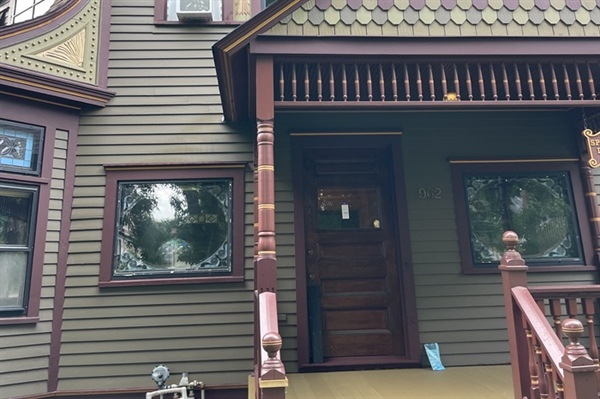
Painting has changed dramatically over the centuries, moving far beyond simple surface coverage into a discipline shaped by architecture, craftsmanship, psychology, chemistry, and artistic expression. Ancient civilizations used mineral pigments and handmade brushes to communicate status, religion, and culture, while later movements such as the Renaissance, Art Nouveau, and Modernism transformed painting into a refined visual language tied closely to design. Today, painting exists at the intersection of technical precision and creative vision, where skilled professionals combine advanced coatings, preparation methods, and artistic understanding to create spaces that feel intentional and enduring.
Modern homeowners and designers now expect more than uniform color application. They look for balance, texture, atmosphere, durability, and visual harmony that complement the structure itself. Companies such as Revel Painting approach painting as both a craft and a creative discipline, blending technical execution with design awareness. Understanding how historical movements influence modern interiors, how technology improves precision, and how artistry shapes the finished result gives readers a deeper appreciation for the role painting continues to play in architecture and design. Whether exploring evolving techniques, the relationship between efficiency and creativity, or the philosophy behind a refined painting process, these topics reveal how painting continues to evolve as both a service and an artform.
Historical Painting Trends That Continue to Shape Modern Interior and Exterior Design
Many of the design principles used in modern painting originated centuries ago through architectural and artistic movements that prioritized balance, proportion, texture, and emotional response. During the Renaissance, painters developed advanced techniques for layering pigments and manipulating light to create depth and realism. These ideas later influenced interior design by encouraging the use of contrast, focal points, and subtle tonal variation within built environments. Decorative painting styles from the Baroque and Rococo periods also introduced ornate finishes and dramatic color palettes that still inspire luxury residential spaces today.
The Industrial Revolution transformed painting from a highly localized trade into a scalable professional service. Manufactured paints became more accessible, consistent, and durable, allowing broader experimentation with color and finish. By the early twentieth century, movements such as Bauhaus and Modernism shifted attention toward simplicity, geometry, and functional design. Neutral palettes, clean lines, and restrained contrast became dominant trends that continue influencing contemporary homes, commercial buildings, and minimalist interiors. Modern painting professionals frequently use these principles to support natural lighting, architectural features, and spatial flow.
Historical techniques still influence modern preparation standards and finish quality. Traditional plasterwork, limewashing, wood finishing, and hand-brushed detailing continue inspiring premium painting applications today. Many clients appreciate finishes that feel handcrafted rather than mass-produced, which explains the continued interest in textured walls, matte finishes, and layered color systems. In Minneapolis, Revel Painting incorporates this attention to craftsmanship into its work by emphasizing preparation, finish consistency, and long-term durability throughout its painting process. The relationship between historical artistry and modern execution remains central to how sophisticated painting projects are approached today.
How Modern Painting Technology Improves Precision and Surface Performance
Technological advancement has significantly improved the accuracy, efficiency, and durability of modern painting systems. Early painters relied heavily on handcrafted tools and visual estimation, while modern professionals now use moisture meters, laser levels, spray systems, advanced masking equipment, and digital color matching technology to improve consistency across large and complex surfaces. These tools help painters maintain cleaner edges, even coverage, and more predictable finish results across both residential and commercial projects.
Modern paint chemistry has also changed the industry substantially. Contemporary coatings are engineered for specific environmental conditions, substrate types, and performance expectations. Acrylic latex formulations now provide greater flexibility, adhesion, mildew resistance, and color retention compared to many traditional oil-based systems. Low-VOC and zero-VOC products have become increasingly important because they reduce indoor air pollutants while maintaining durability and finish quality. Advances in primer technology also allow painters to stabilize difficult surfaces and improve long-term adhesion on wood, drywall, masonry, and previously coated materials.
Precision technology extends beyond application equipment into project planning and workflow management. Digital color visualization software helps clients evaluate finishes before work begins, reducing uncertainty during the selection process. Airless sprayers improve coating uniformity while minimizing roller texture on large surfaces. Surface preparation equipment, including dustless sanding systems, improves cleanliness and protects surrounding areas during refinishing work. These innovations support both craftsmanship and efficiency while preserving finish quality across demanding projects.
The Role of Artistry in Painting Beyond Basic Paint Application
Painting has always involved artistic interpretation in addition to technical execution. While surface protection remains a primary function, painting also shapes perception, atmosphere, and emotional response within a space. Color selection influences how people experience scale, lighting, warmth, and comfort. Skilled painters understand how undertones interact with natural and artificial light throughout the day, which affects the visual character of walls, trim, cabinetry, and exterior surfaces.
Artistry also appears through texture, finish selection, proportion, and visual balance. Matte finishes create softness and absorb light differently than satin or gloss surfaces, while contrasting trim colors can highlight architectural detail and spatial structure. Experienced painters study how finishes interact with flooring, furniture, cabinetry, and surrounding materials to create cohesion throughout a home or commercial environment. This artistic awareness transforms painting from a purely functional service into an integrated part of architectural design.
Many high-end painting projects require refined handwork and visual sensitivity that cannot be fully automated. Fine brushwork, cabinet finishing, decorative detailing, wood staining, and surface restoration demand both technical control and aesthetic judgment. Revel Painting emphasizes this relationship between craftsmanship and design by approaching projects with attention to detail, finish consistency, and visual harmony rather than treating painting as a commodity trade. The strongest painting work often becomes nearly invisible because every transition, texture, and color relationship feels balanced and intentional.
Balancing Efficiency and Creativity in Professional Painting Projects
Professional painters constantly balance production efficiency with artistic quality. Large-scale residential and commercial projects require structured workflows, scheduling coordination, material management, and precise preparation procedures to remain cost-effective and timely. At the same time, rushed application or inadequate preparation can compromise finish durability and visual consistency. Experienced painting teams develop systems that improve efficiency without sacrificing craftsmanship.
Preparation plays a major role in achieving this balance. Cleaning, sanding, patching, masking, priming, and environmental control all contribute to better finish quality and reduced long-term maintenance issues. Organized workflows allow painters to maintain consistent standards across multiple surfaces while minimizing interruptions during application. Spray systems and modern tools can accelerate production, but skilled professionals still rely heavily on manual inspection, touch-ups, and careful finish evaluation to preserve visual quality.
Creativity often emerges through problem-solving rather than decoration alone. Every project presents different architectural styles, lighting conditions, material challenges, and client goals. Painters must adapt techniques, finishes, and application methods to suit each environment while maintaining consistency across the project. This combination of structure and flexibility separates highly skilled painting professionals from basic contractors. Effective painting teams understand how to move efficiently while still treating each surface and design decision with careful attention.
How Revel Painting’s Artform Approach Creates a Different Painting Experience
Revel Painting distinguishes itself by presenting painting as a combination of technical craftsmanship, design awareness, and artistic refinement rather than a simple transactional service. This philosophy appears throughout the company’s messaging, project presentation, preparation standards, and finish expectations. Instead of treating walls and surfaces as isolated tasks, the company approaches each project as part of a larger visual environment that affects how clients experience their homes and spaces.
The company’s emphasis on process reflects this perspective. Surface preparation, color consultation, detailed execution, and finish consistency are treated as interconnected parts of the final result rather than separate production steps. This approach aligns with broader trends in premium residential design, where homeowners increasingly value craftsmanship, longevity, and cohesive aesthetics over rapid low-cost application. Careful coordination between materials, finishes, and architectural features helps create interiors and exteriors that feel intentional and visually balanced.
Revel Painting also positions its work around client experience and design confidence rather than simple coverage rates or production speed. By combining technical discipline with artistic sensitivity, the company reinforces the idea that painting influences mood, perception, and architectural character. Readers interested in learning more about the philosophy and execution behind this approach can explore additional information directly through Revel Painting. The company’s focus on craftsmanship, preparation, and visual detail reflects the continuing evolution of painting as both a service and an artform.
Experience Painting as Craftsmanship and Design
At Revel Painting, we believe painting should do more than change color. It should improve the way a home feels, highlight architectural details, and create a lasting visual impression through thoughtful craftsmanship and precision. Our team approaches every project with the understanding that painting combines technical performance with artistic execution. From historical design influence and modern coating technology to refined finish work and efficient project management, we bring a complete perspective to every residential and commercial painting project we complete.
We work closely with homeowners who value detail, durability, and elevated design standards. Whether you are updating interior living spaces, refinishing cabinetry, restoring exterior surfaces, or planning a large-scale repaint, our process focuses on preparation, communication, and consistent execution from start to finish. Our team understands how color, texture, and finish selection influence the overall experience of a space, which allows us to deliver work that feels cohesive and intentional rather than purely functional.
Revel Painting proudly serves clients from our Minneapolis location at 3100 West Lake Street Apt. 721 Minneapolis, MN 55416. If you would like to discuss your project, learn more about our approach, or schedule a consultation, call us at 612-345-9136 or contact us today. We take pride in treating painting as both a skilled trade and an artform that contributes to the long-term beauty and performance of every property we work on.