How Does the Painting Process Differ Between Residential and Commercial Projects?
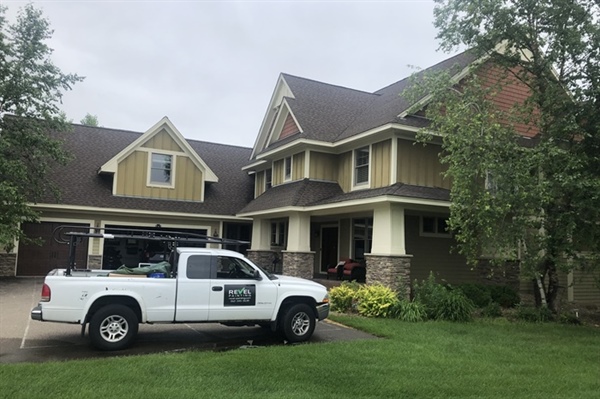
Residential and commercial painting may seem similar, but the scale, logistics, materials, and operational demands differ significantly. A residential project typically involves smaller crews, personalized color consultations, and minimal disruption to daily life.
In contrast, commercial painting requires coordination across large teams, strict timelines, and specialized coatings that meet regulatory standards. At Revel Painting, each project type follows a distinct workflow to achieve optimal durability and aesthetic appeal for its environment.
In this article, we explore the key differences between residential and commercial painting, focusing on five essential aspects: the challenges of painting large commercial buildings, differences in project timelines, safety standards and compliance requirements, variations in cost structures, and the importance of brand image in commercial projects.
For readers interested in tailored residential painting solutions, understanding these distinctions offers valuable context.
Challenges of Painting Large Commercial Buildings
Painting large commercial buildings introduces challenges that go far beyond simple surface coverage. Logistics are the most significant hurdle: crews must coordinate equipment such as lifts, scaffolding, and sprayers to safely reach elevated or hard-to-access areas. The scope of work often requires after-hours scheduling to prevent disruptions to business operations, particularly in facilities like hospitals, retail centers, and office complexes.
Surface preparation also varies dramatically from residential work. Commercial structures often feature concrete, metal, or stucco surfaces that demand industrial primers and high-performance coatings. Weather exposure and building use patterns determine the product type — such as epoxy, elastomeric, or urethane systems—each selected to maximize longevity under environmental stress.
Quality control is critical across large areas to prevent color variation and coating thickness inconsistencies. Proper material storage and controlled application methods are required to maintain consistency. For smaller-scale property owners, detailed residential painting projects use similar standards but with more emphasis on customization and interior detailing.
Differences in Project Timelines Between Residential and Commercial Work
Project duration is one of the clearest distinctions between residential and commercial painting. Residential projects often take days to weeks, depending on house size and complexity. In contrast, commercial jobs can span months, particularly when working on multi-story structures or industrial facilities that require phased work and drying cycles.
Commercial painting schedules typically depend on operational downtime or tenant occupancy. Crews must plan meticulously to meet deadlines while working around production hours or open-business conditions. This level of coordination often involves multiple trades, safety inspections, and phased coating applications to keep sections accessible while ensuring durability.
Unlike smaller home projects, commercial timelines integrate strict contract milestones, progress inspections, and staged completion reports. Companies like Revel Painting rely on project management systems to keep large-scale commercial painting operations efficient and on track.
Safety Standards and Compliance in Commercial Painting
Safety regulations for commercial painting are extensive. Professional crews must follow Occupational Safety and Health Administration (OSHA) requirements for fall protection, chemical handling, and confined-space work. Projects often demand lift certifications, personal protective equipment (PPE) compliance, and proper ventilation when working with industrial coatings or solvents.
Commercial painters undergo rigorous training to manage site hazards, including electrical exposure, scaffold safety, and hazardous material containment. Industrial and commercial environments also require compliance with local environmental regulations to minimize volatile organic compound (VOC) emissions and maintain indoor air quality.
These requirements are far more stringent than those typically applied to home projects. While safety remains a focus in both settings, commercial painters work under stricter oversight, ensuring that each phase — from prep to cleanup — meets documented standards and client audit requirements.
Cost Structure Differences for Businesses vs. Homeowners
The cost structure for painting projects differs based on project scale, materials, and access requirements. Residential work is often priced per room or per square foot, factoring in surface condition and finish quality. Homeowners prioritize aesthetic appeal and precision detail, with costs influenced by color selection, surface prep, and trim work.
Commercial painting, however, incorporates labor scalability, equipment rentals, specialized coatings, and compliance costs. Large projects require more manpower, extended work hours, and specialized tools. Contracts often include clauses for performance warranties, moisture testing, and safety audits, all of which affect total cost.
Businesses view painting as a long-term asset preservation expense rather than a cosmetic improvement. For comprehensive assistance, companies can reach out through Revel Painting to discuss project-specific needs, including industrial coatings and large-scale maintenance programs.
The Role of Brand Image in Commercial Painting
Brand image plays a critical role in commercial painting because exterior and interior finishes reflect the company’s identity. A well-maintained facility communicates professionalism and reliability to clients and employees alike. Color schemes must align with brand guidelines, signage, and customer expectations to create consistent visual experiences.
Paint selection involves more than aesthetics—it affects lighting, mood, and customer engagement. For retail spaces, bright tones may promote visibility and energy, while corporate offices benefit from muted, professional palettes. Commercial painters work closely with designers to translate branding into durable, on-brand finishes.
For companies that prioritize consistency across multiple locations, experienced painters like Revel Painting develop color-matching systems and maintenance schedules. This approach ensures that every site represents the same brand quality and attention to detail, strengthening long-term recognition and trust.
How Revel Painting Supports Both Residential and Commercial Clients
Revel Painting is a trusted leader in professional painting services, delivering expert solutions across both residential and commercial sectors. With a strong foundation in precision craftsmanship and the latest advancements in coating technology, Revel Painting ensures durable, high-performance finishes that stand the test of time, whether for a single-family home or a large-scale commercial facility.
When quality, reliability, and long-lasting results matter, Revel Painting sets the standard! To learn more or request a personalized estimate, contact our team or call us directly at 612-345-9136.