How Can Painting Transform a Home’s Curb Appeal in Minnesota’s Climate?
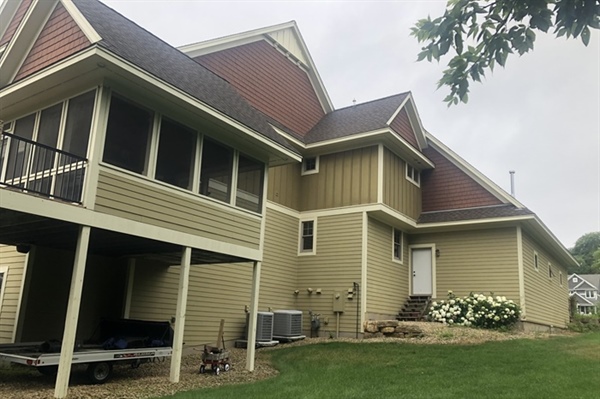
Minnesota homeowners deal with some of the harshest seasonal weather shifts in the country. Snow, ice, humidity, UV exposure, heavy rain, and rapid temperature swings all place constant stress on a home’s exterior surfaces. Paint does much more than improve appearance. The right exterior painting strategy helps defend siding, trim, and wood surfaces from moisture intrusion, fading, cracking, and premature wear. In neighborhoods throughout Minneapolis and the Twin Cities, curb appeal often reflects how well a property has been maintained through changing seasons. A carefully planned exterior color palette combined with durable coatings can dramatically improve both visual impact and long-term protection.
Exterior finishes also influence how buyers perceive a property before they ever step inside. Modern color selections, weather-resistant paint systems, and proper surface preparation can make older homes appear updated while helping newer homes maintain their value longer. Revel Painting has worked with homeowners across Minnesota who want to balance durability with design while protecting their investment from the region’s demanding climate conditions. From choosing winter-resistant shades to understanding how humidity affects paint adhesion, every decision impacts how well a home performs over time. Many homeowners researching residential painting solutions are looking for ways to improve curb appeal while reducing maintenance cycles in Minnesota’s unpredictable weather.
Several factors influence how exterior paint holds up in the Twin Cities, including paint chemistry, surface preparation, color selection, humidity exposure, and protective coatings. Understanding how often homes should be repainted, which finishes survive freeze-thaw cycles best, and how exterior colors influence resale value can help homeowners make informed decisions before beginning a painting project. The sections below explore these topics in detail while examining how Minnesota’s climate shapes exterior painting performance.
Best Exterior Paint Colors That Withstand Minnesota Winters
Exterior paint colors affect far more than aesthetics in cold-weather climates. In Minnesota, winter conditions expose homes to prolonged snow cover, ice accumulation, wind-driven moisture, and repeated freeze-thaw cycles. Darker paint colors absorb more solar heat, which can increase expansion and contraction across siding materials during rapid temperature changes. Excessive thermal movement may contribute to earlier paint stress, especially on wood surfaces. Lighter neutral tones such as soft gray, warm beige, greige, muted taupe, and off-white often perform better over long periods because they reflect more sunlight and reduce surface temperature fluctuations.
Color retention also becomes a major concern in regions with strong UV exposure during both summer and winter months. Snow reflection intensifies ultraviolet exposure, accelerating fading on highly saturated exterior colors. Deep reds, bright blues, and intense black finishes tend to show fading earlier than earth tones or mineral-inspired neutrals. Many professional painters working throughout Minneapolis recommend acrylic latex formulations with UV-resistant pigments because these coatings maintain flexibility during cold weather while resisting cracking and peeling. Homes exposed to southern sunlight or open wind corridors often benefit from softer, balanced exterior palettes that minimize visible weathering.
Architectural style also influences which colors maintain curb appeal over time. Historic homes throughout the Twin Cities frequently use layered neutral combinations with contrasting trim colors because they weather gracefully and remain visually consistent through changing seasons. Siding materials such as cedar, engineered wood, and fiber cement each respond differently to temperature and moisture exposure, which makes coating compatibility important. Homeowners researching residential painting projects often prioritize paint systems designed for cold-climate flexibility and moisture resistance because durable finishes can significantly extend maintenance intervals.
How Often Homes in the Twin Cities Should Be Repainted
Exterior repainting schedules vary based on climate exposure, siding material, surface preparation quality, and previous coating performance. In the Twin Cities, most homes require repainting every 5 to 10 years, although this timeline changes depending on environmental conditions and material type. Wood siding generally requires more frequent repainting because it expands and contracts with seasonal moisture fluctuations. Fiber cement products typically hold coatings longer, while aluminum and vinyl surfaces may retain finishes differently depending on sun exposure and paint adhesion quality.
Minnesota weather accelerates exterior aging because surfaces experience prolonged moisture exposure followed by freezing temperatures. Paint begins deteriorating when water penetrates small cracks or failed caulking joints. During winter, trapped moisture expands as it freezes, increasing coating separation from the substrate. Areas receiving direct sunlight often fade faster, while shaded sections may develop mildew or moisture retention issues. South-facing elevations usually show wear earlier because they endure greater thermal cycling throughout the year.
Surface preparation plays a major role in repaint longevity. Proper scraping, sanding, priming, and moisture correction significantly improve coating adhesion and reduce premature peeling. Professional painters frequently inspect soffits, fascia boards, trim joints, and horizontal surfaces because these areas experience the most severe weather exposure. Minneapolis homeowners often schedule repainting after noticing chalking, blistering, fading, exposed substrate areas, or recurring peeling near joints and seams. Monitoring these warning signs early can prevent larger structural repairs caused by moisture intrusion.
How Humidity Affects Exterior Paint Performance
Humidity has a direct effect on paint curing, adhesion, durability, and long-term exterior performance. In Minnesota, humidity levels fluctuate significantly between seasons, creating challenging conditions for exterior coatings. Excess moisture in the air slows paint evaporation rates and interferes with the curing process. When paint cures too slowly, coatings may remain soft longer than intended, increasing the risk of dirt adhesion, blistering, or uneven film formation. High humidity can also trap moisture beneath the paint layer, eventually contributing to peeling or mildew development.
Wood siding and trim materials absorb atmospheric moisture during humid conditions, expanding as humidity rises and contracting when conditions dry out. Repeated movement places stress on paint films, especially when lower-quality coatings lack flexibility. Acrylic latex paints are widely used in northern climates because they maintain elasticity during temperature swings while allowing limited vapor permeability. This flexibility helps coatings accommodate normal substrate movement without cracking as easily as older oil-based systems.
Timing exterior painting projects around environmental conditions improves coating performance substantially. Professional painters often avoid painting immediately after rain, during periods of elevated dew point conditions, or when overnight temperatures approach condensation levels. Proper drying windows help coatings bond correctly while reducing long-term adhesion failures. Homes near lakes, wooded areas, or shaded environments may experience elevated humidity exposure throughout much of the year, increasing the importance of breathable primers, moisture-resistant caulking systems, and carefully selected finish coats.
Protective Coatings That Extend Exterior Paint Life
Protective coatings serve as an additional defense layer against moisture, UV radiation, temperature changes, and environmental contaminants. Exterior paint systems perform best when paired with primers and specialty coatings designed for the specific substrate material. In Minnesota climates, high-quality bonding primers help stabilize porous surfaces while improving adhesion during seasonal expansion and contraction cycles. Primers also help prevent tannin bleed on wood siding and improve topcoat durability on repaired or weathered areas.
Advanced acrylic topcoats contain additives that improve resistance to mildew, moisture penetration, and ultraviolet degradation. Elastomeric coatings are sometimes used on masonry or stucco surfaces because they bridge small cracks while creating a thicker moisture-resistant barrier. Clear protective sealants may also be applied to certain trim elements or specialty finishes where additional weather protection is needed. Homes exposed to wind-driven precipitation or heavy snow accumulation often benefit from coatings specifically engineered for water shedding and freeze-thaw durability.
Maintenance coatings also contribute to paint longevity. Caulking systems, waterproof sealants, and periodic washing reduce dirt buildup and moisture intrusion that can weaken paint films over time. Professional inspection schedules help identify early deterioration before larger failures occur. Many Minnesota homeowners focus on extending coating life by combining premium paint systems with proper drainage management, gutter maintenance, and seasonal inspections that protect vulnerable exterior surfaces from prolonged moisture exposure.
How Exterior Color Choices Affect Home Resale Value in Minnesota
Exterior color selection strongly influences first impressions during the home buying process. Buyers often form opinions about property condition before entering the home, making curb appeal a major factor in perceived value. In Minnesota housing markets, neutral and regionally appropriate exterior palettes typically appeal to broader buyer demographics because they create a clean, updated appearance without appearing overly customized. Colors such as warm white, charcoal gray, slate blue, earthy green, and soft taupe continue to perform well across both urban and suburban neighborhoods.
Exterior color harmony also affects how architectural details are perceived. Contrasting trim colors can highlight craftsmanship and improve visual depth, while balanced siding tones help homes appear larger and more cohesive. Homes with outdated or heavily faded paint often appear neglected to buyers, even when structural conditions remain sound. Updated exterior finishes communicate ongoing maintenance and can improve buyer confidence during competitive real estate transactions throughout Minneapolis and surrounding communities.
Regional climate conditions influence buyer expectations regarding durability as well as aesthetics. Minnesota homeowners frequently prioritize coatings that resist peeling, fading, and moisture damage because repainting cycles can become expensive when weather exposure is severe. Thoughtful exterior updates often combine timeless color palettes with durable coating systems that balance style and long-term performance. Homeowners researching exterior improvements frequently review the project galleries and expertise available through Revel Painting when evaluating modern curb appeal trends and climate-appropriate finish selections.
Protect Your Home’s Curb Appeal With Revel Painting
At Revel Painting, we understand how demanding Minnesota weather can be on exterior surfaces. Our team works with homeowners throughout Minneapolis and the Twin Cities to create durable exterior painting solutions designed for freeze-thaw cycles, humidity shifts, UV exposure, and heavy seasonal moisture. We focus on detailed preparation, premium coatings, and carefully selected color palettes that help homes maintain strong curb appeal year after year.
Whether you are deciding how often to repaint your home, comparing exterior paint colors for winter durability, or evaluating protective coating systems that improve long-term performance, we help homeowners make informed decisions backed by proven exterior painting practices. Our experience with residential siding materials, trim restoration, moisture protection, and climate-specific coating systems allows us to deliver finishes designed for Minnesota conditions.
Revel Painting proudly serves homeowners from our Minneapolis location at 3100 West Lake Street Apt. 721 Minneapolis, MN 55416. If you would like to discuss exterior painting options, protective coatings, or curb appeal improvements for your property, call us at 612-345-9136 or visit our contact us page to schedule a consultation.